

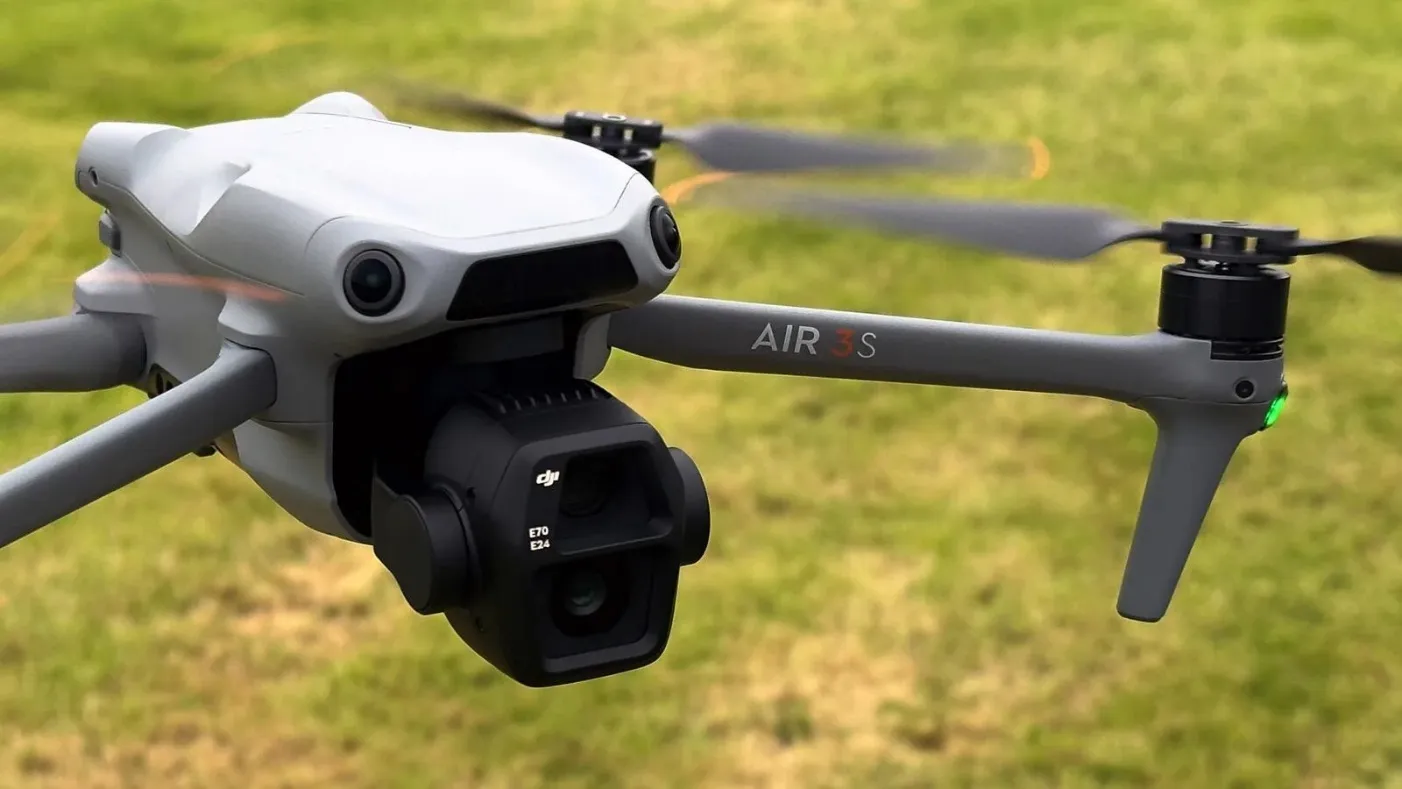
Camera drones have moved far beyond being interesting gadgets for technology enthusiasts. Today, they are widely used for photography, video production, property marketing, travel content, surveying and other professional applications. Their ability to capture scenes from perspectives that would otherwise be difficult to reach has made them valuable tools for both creative and practical work.
Choosing a drone, however, involves more than finding a model with an impressive camera. Flight performance, image quality, portability, battery life and the intended application all deserve attention. Kenyan buyers can make a more practical choice by understanding these factors before comparing individual models.
Start With the Purpose of the Drone
The first question should be simple: what will the drone actually be used for? Someone creating occasional travel videos may have very different requirements from a professional photographer working on commercial projects. A compact model may be easier for frequent travel, while demanding production work could justify more advanced camera and flight capabilities.
Buyers exploring Drones For Sale in Kenya should therefore avoid choosing purely according to appearance or headline specifications. Defining the intended use helps narrow the options and prevents paying for advanced features that may rarely be needed.
Look Closely at Camera Capabilities
Camera resolution is important, but it does not tell the entire story. Sensor characteristics, stabilisation, frame-rate options and the ability to handle changing lighting conditions can significantly influence the final footage. A well-stabilised camera can produce smoother results when the drone is moving or responding to wind.
Content creators should also consider how they plan to edit their footage. Higher-resolution video provides greater flexibility for cropping and post-production, but it also creates larger files and may require more capable computers and storage. The right specification is therefore the one that suits the complete production workflow.
Understand What Influences Drone Pricing
Prices can vary considerably between drone models because they are designed for different users. Camera systems, obstacle sensing, transmission technology, intelligent flight functions, battery performance and overall build are among the factors that can affect cost.
When researching Drone Camera Price in Kenya, it is useful to compare what is included rather than looking only at the initial figure. One package might include additional batteries or accessories, while another may provide only the essential equipment. Comparing the complete setup provides a clearer picture of value.
Battery Life Deserves Practical Attention
Manufacturers provide estimated flight times, but real-world conditions can influence how long a drone remains airborne. Wind, flight speed, temperature and recording activity can all affect battery consumption.
For longer photography sessions, having additional batteries can be particularly useful. Instead of repeatedly stopping work to recharge, a user can rotate charged batteries and continue operating. Buyers should therefore consider battery availability and charging arrangements as part of their overall budget.
Safety Features Can Make Flying Easier
Modern drones may include features designed to make operation more manageable. Depending on the model, these can include obstacle sensing, automatic return-to-home functions, positioning systems and intelligent flight modes.
Such technology is particularly helpful for newer pilots, although it should never replace careful operation. Users still need to understand their surroundings, monitor battery levels and maintain control of the aircraft. Becoming familiar with the drone in an open environment before attempting complicated shots is a sensible approach.
Portability Matters for Frequent Travellers
A technically powerful drone is not necessarily the most convenient option for every user. Photographers who regularly travel between locations may appreciate a compact model that can be carried with cameras and other equipment without adding excessive weight.
Larger drones can provide capabilities suited to demanding applications, but transportation and setup may require more planning. Considering how often the equipment will be moved can therefore help determine whether portability should take priority over advanced specifications.
Remember Storage and Accessories
The aircraft itself is only part of a practical drone setup. Memory cards, spare batteries, charging equipment, protective cases and replacement components may also be required. These smaller items can have a noticeable effect on day-to-day usability.
Storage deserves particular attention when recording high-resolution footage. Fast, appropriately rated memory cards help support demanding video formats, while sufficient computer or external storage is useful for managing large amounts of footage after a shoot.
Check the Rules Before Flying
Drone operators should understand the applicable aviation requirements before flying. Rules can cover matters such as registration, permitted operating areas and other conditions depending on how and where a drone is used.
Requirements can change, so users should consult current information from the relevant Kenyan aviation authorities rather than relying on old online discussions. Responsible operation protects people and property while helping pilots use their equipment appropriately.
Conclusion
Buying a camera drone becomes much easier when the decision starts with intended use rather than specifications alone. Camera performance, flight features, battery requirements, portability, accessories and operating rules all contribute to the overall experience.
Taking time to compare these factors helps buyers choose equipment that matches their actual photography, video or professional needs. A thoughtfully selected drone can then become a useful creative tool rather than simply another piece of technology that offers more features than its owner will ever use.